Press and speaking kit
For press
and programmers
Everything here is cleared for use. Bios, book details, images, topics, and questions. Take what you need without asking first.
At a glance
The book
- TitleANONYMITY: A Year Inside a Christian Recovery Program
- AuthorRabin Stone
- SeriesBook One of the Anonymity Trilogy
- PublisherVagabond Compass Media
- CategoryLiterary memoir
- EbookAugust 25, 2026 · ISBN 979-8-9967129-1-5
- PaperbackOctober 7, 2026 · ISBN 979-8-9967129-0-8
- AudiobookOctober 7, 2026 · ISBN 979-8-9967129-2-2
- Page count356 pages
- Buybooks2read.com/u/boGDZZ
- LibrariesOverDrive, cloudLibrary, hoopla, BorrowBox, Vivlio
- Comparable titlesWhere the Crawdads Sing, The Glass Castle, Educated, Maid, Inventing Anna
Images and files
Cleared for use
Credit the cover to Vagabond Compass Media. The author photograph may be used in connection with coverage of the book or an appearance.
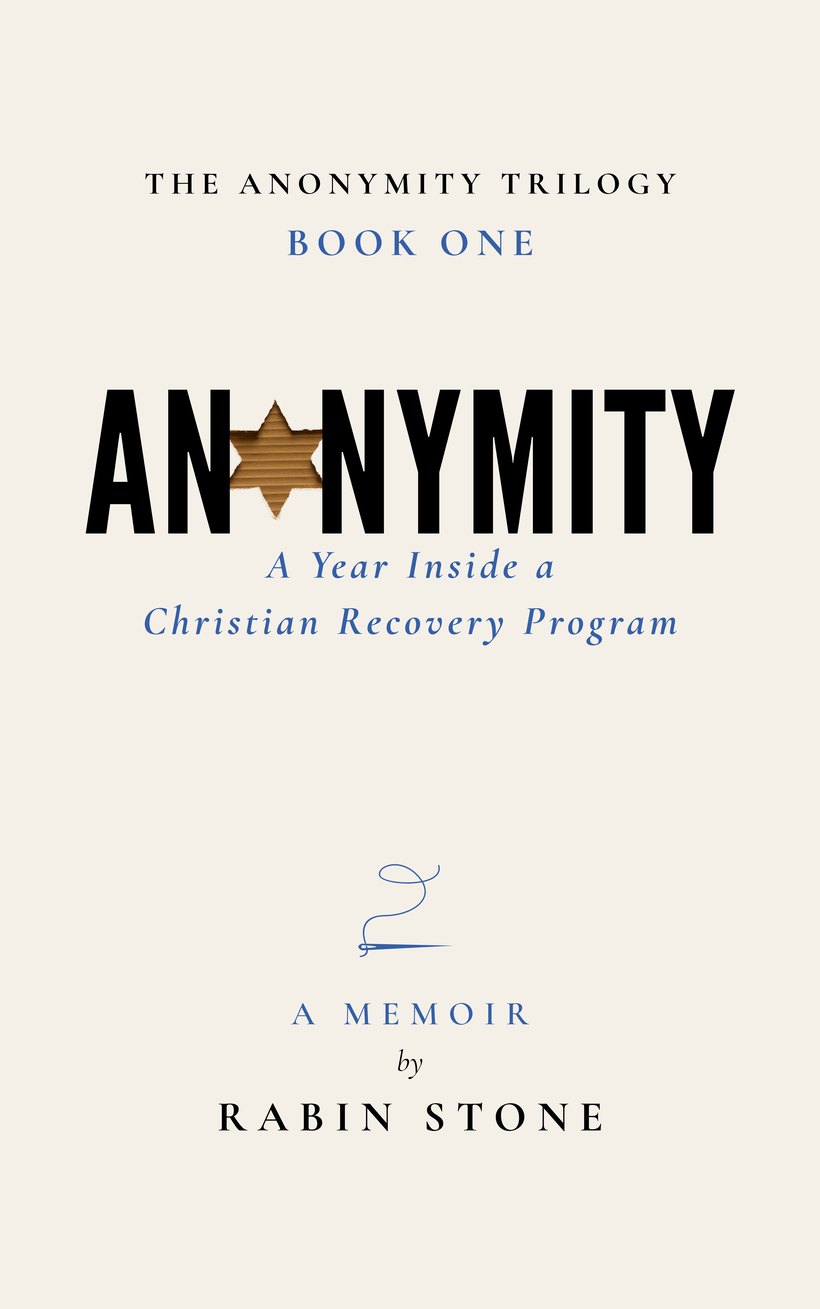
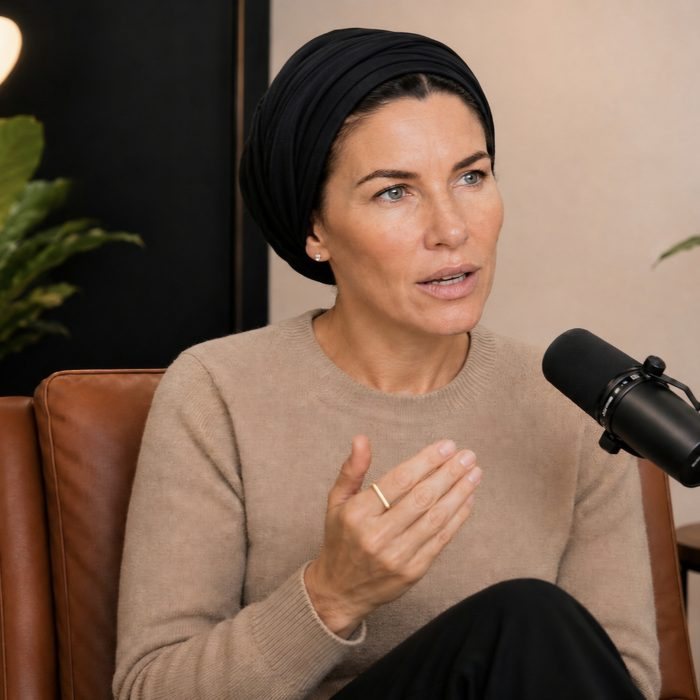
Higher resolution files are available on request.
Author biography
Three lengths
Use whichever fits your format. No approval needed.
One line
Twenty five words
Rabin Stone writes literary memoir exploring survival, poverty, faith, motherhood, and institutional life. She is the author of the Anonymity Trilogy, published by Vagabond Compass Media.
Short
Ninety words
Rabin Stone writes literary memoir exploring survival, poverty, faith, motherhood, and institutional life. Beginning during the COVID pandemic, she spent a year in unsheltered homelessness and the following year inside a high-control Christian residential recovery program. She later held director-level responsibility in survivor services, developing programming for survivors of human trafficking, sexual assault, domestic violence, and stalking. ANONYMITY: A Year Inside a Christian Recovery Program is her debut and the first book in the Anonymity Trilogy. Stone writes under a pen name to protect the privacy of her children and the lives that intersect these stories.
Full
Two hundred words
Rabin Stone writes literary memoir exploring survival, poverty, faith, motherhood, and institutional life.
Beginning during the COVID pandemic, she spent a year in unsheltered homelessness and the following year inside a high-control Christian residential recovery program. There, she kept Shabbat and kosher, completed the annual cycle of Torah readings, and finished six hundred hours of structured coursework in addiction recovery, trauma, grief, boundaries, and related behavioral health subjects, along with one hundred fourteen hours of one-on-one therapy.
She later held director-level responsibility in survivor services, drawing on lived experience to develop programming for survivors of human trafficking, sexual assault, domestic violence, and stalking. Her work served people of all genders, along with their children and pets.
ANONYMITY: A Year Inside a Christian Recovery Program is her debut and the first book in the Anonymity Trilogy, followed by UNSHELTERED: A Year Inside Homelessness and RECIDIVISM: A Year Inside Human Trafficking.
Stone writes under a pen name to protect the privacy of her children and the lives that intersect these stories.
Book description
Two lengths
Logline
One sentence
She needed shelter, and they needed someone they could save.
Short description
Sixty words
ANONYMITY is an unflinching literary memoir and a fierce institutional critique of what happens when public systems outsource rescue to religious organizations that make shelter conditional on obedience, labor, and belief. At its heart, it is the story of a Jewish mother who refused assimilation, even when survival demanded almost everything else.
Full description
Two hundred and thirty words
She was not an addict. She was a Jewish mother who had lost her home, her business, and physical custody of her children during the COVID pandemic. After a year of unsheltered homelessness, she signed away another year of her life for a bed inside a high-control Christian residential recovery program.
Her children were on the other side of that year. So she stayed.
As sermons echoed through the building, she held on to a Jewish life the institution could neither understand nor absorb. She studied Torah, kept Shabbat, kept kosher, and counted the days until she could be reunited with her children. Every act of faith became an act of resistance.
Christian rescue had its own vocabulary. The women became students when the institution needed a fundraising success story, residents when it demanded obedience, and volunteers when it needed free labor.
Then antisemitism and violence erupted inside the house. The program's first instinct was not to protect the harmed, but to control the story.
ANONYMITY is an unflinching literary memoir and a fierce institutional critique of what happens when public systems outsource rescue to religious organizations that make shelter conditional on obedience, labor, and belief. At its heart, it is the story of a Jewish mother who refused assimilation, even when survival demanded almost everything else.
Speaking and panels
She has run the programs, and she has needed them.
Rabin Stone speaks on shelter, poverty, trafficking, and institutional care from both sides of the intake desk. She is available for keynotes, panels, university lectures, staff training, festivals, and broadcast.
Background
- Director-level responsibility in survivor services, developing programming for survivors of human trafficking, sexual assault, domestic violence, and stalking, serving people of all genders along with their children and pets.
- A year of unsheltered homelessness beginning during the COVID pandemic.
- A year inside a high-control Christian residential recovery program, keeping Shabbat and kosher and completing the annual cycle of Torah readings.
- Six hundred hours of structured coursework in addiction recovery, trauma, grief, boundaries, and related behavioral health subjects, and one hundred fourteen hours of one-on-one therapy.
- Author of the Anonymity Trilogy, published by Vagabond Compass Media.
Topics
Faith that comes with conditions
What it is to keep a Jewish life inside Christian rescue culture, and what institutions ask people to surrender in exchange for a bed.
The myths of homelessness
Employment, business ownership, and professional work are not protection. Why the public picture of who becomes homeless is wrong.
Poverty that arrives before you do
Generational housing insecurity, and the policies and bureaucracies that keep families cycling through instability.
What trafficking actually looks like
The many forms it takes, the misconceptions that follow survivors, and why the public narrative fails the people inside it.
Building zero barrier programs
Designing services that serve every gender, their children, and their pets, and that measure success in stable housing.
Writing from inside closed worlds
Memoir, observation, and the ethics of telling a story that belongs partly to other people.
Formats
- Keynote
- Panel and moderated conversation
- University lecture and classroom visit
- Staff and volunteer training
- Festival and bookstore appearance
- Broadcast, podcast, and remote
For interviewers
Suggested questions
Use them as written, cut them, or ignore them entirely.
- Most memoirs about faith are conversion stories or leaving stories. Yours is neither. What is it instead?
- You were not an addict. How did you end up in a recovery program, and what did that mismatch feel like from the inside?
- You kept Shabbat and kosher in a building where sermons ran through the walls. What did that cost, day to day?
- The book says the women were students, residents, or volunteers depending on what the institution needed that week. Can you unpack that?
- What happens when a public system hands rescue over to a religious organization?
- You had a year of unsheltered homelessness before this, despite steady work and business ownership. What does the public get wrong about who becomes homeless?
- You later ran programs for survivors. What did being on the other side of the intake desk teach you that the first side could not?
- Antisemitism and violence erupted inside the house. What did the institution do, and what should it have done?
- You write under a pen name. What does anonymity protect, and what does it cost you as an author?
- This is the first of three books. Where does the trilogy go from here?
The Anonymity Trilogy
Three books
- Book OneANONYMITY: A Year Inside a Christian Recovery Program. 2026.
- Book TwoUNSHELTERED: A Year Inside Homelessness. Forthcoming 2027.
- Book ThreeRECIDIVISM: A Year Inside Human Trafficking. Forthcoming 2027 or 2028.
Contact
Press, booking, and rights
- PressReviews, interviews, features, and podcasts
- BookingKeynotes, panels, lectures, training, and festivals
- RightsFilm, television, translation, and audio
- PublisherVagabond Compass Media
- Websiterabinstone.com